Peptides Risks
What the evidence says about peptides, and what it does not.
Latest Peptide Risk Guides
GLP-1 Peptides and the Risk of a Doping Violation
GLP-1s are permitted in sport, but banned stack ingredients and contaminated products can still cause a violation.

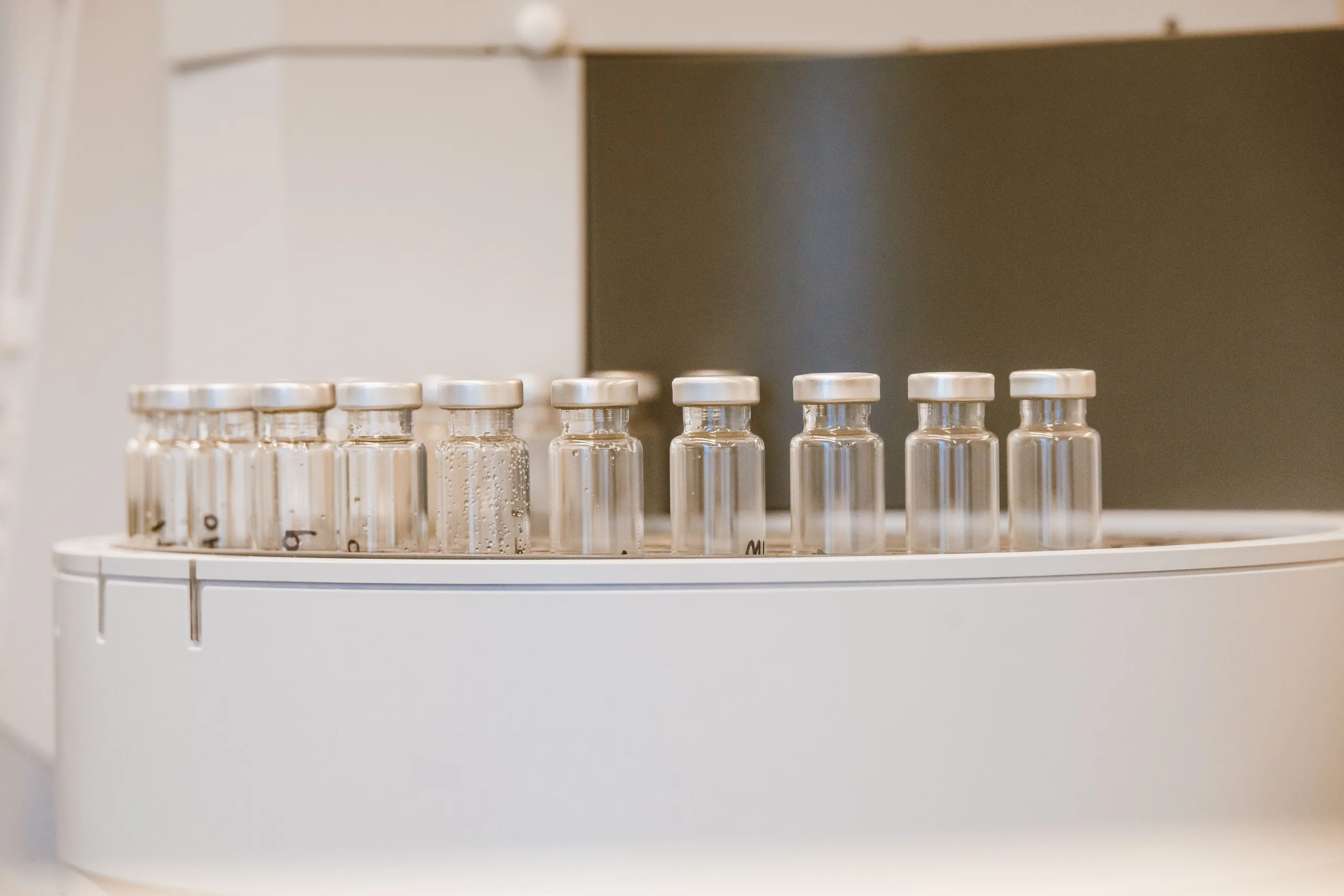
Why LC-HRMS/MS Is Used to Catch Peptide Doping
See how lab screens find banned peptides and metabolites, and why short detection windows still carry risk.
What Is an Inhibitor of the Activin Receptor Signaling Pathway?
Learn how activin traps work, who qualifies, and which blood and clotting risks need monitoring.
Peptide Therapy Clinics: How Do You Check If One Is Legitimate?
Learn the four license and prescription checks that separate safe peptide clinics from risky sellers.

Why Are Noom and Hims & Hers Expanding Into Peptides?
Learn what Noom and Hims peptide plans include, what remains unapproved, and how to weigh safety before you buy.

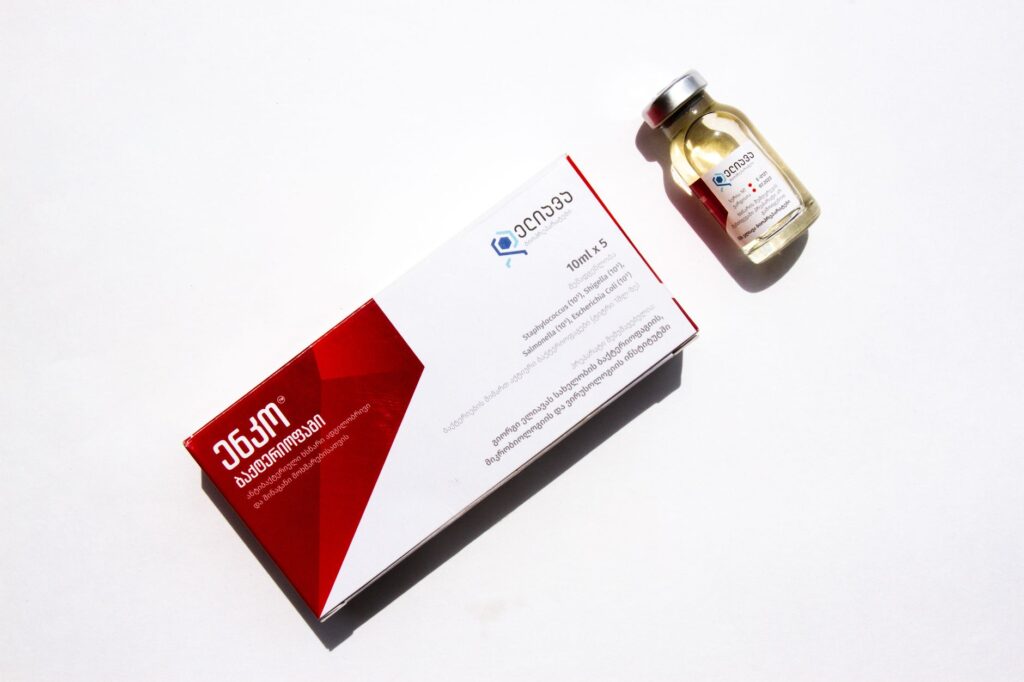
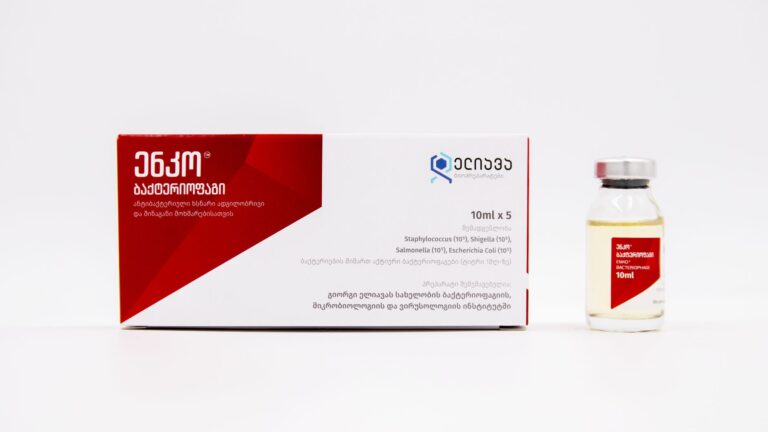
Can Black Market Peptide Injections Cause Nerve Damage?
Spot how unsafe peptide shots injure nerves and which symptoms mean you need care right now.

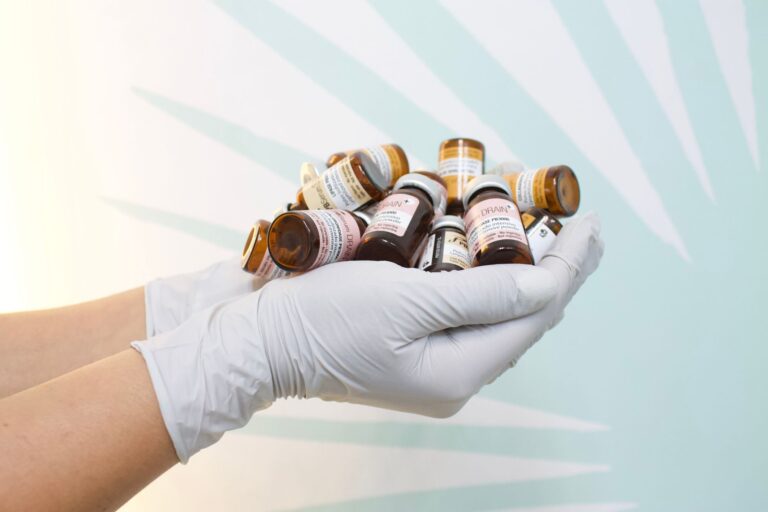
How Unapproved Peptide Injections Reach the Black Market
Spot illegal peptide sellers, risky parcels and spa injections, and use safe pharmacy checks instead.
Three Questions to Ask Before Using Any Peptide
None of them is about the dose. All three come before it.
Is it FDA-approved for this use?
A handful of peptides are approved medicines. Most of the ones sold online are not approved for any human use, and the FDA has published specific safety concerns about many of them.
Who made it, and who dispensed it?
A licensed pharmacy filling a prescription is a different product from a vial labeled "research use only". The label is there because the seller is not claiming it is safe for people.
What has actually been studied in humans?
Many popular peptides have animal or cell data and little or no human trial data. A rat study tells you a compound is worth studying, not that it is safe for you.

Peptide Risk Guides by Topic
Every guide names the study, the regulator or the label behind each claim, and says plainly when there is no human data.
Peptide Profiles
One compound at a time: what it is, what has been studied in humans, and what has not.
View Peptide Profiles →GLP-1 & Weight Loss
Semaglutide, tirzepatide and the trial drugs sold before approval, brand versus compounded.
View GLP-1 & Weight Loss →Side Effects
Reported adverse effects, how often they occur where data exists, and which ones need a doctor.
View Side Effects →Legal & FDA Status
What the FDA has approved, restricted or warned about, and what the labels on these products really mean.
View Legal & FDA Status →Counterfeits & Sourcing
Fake pens, mislabeled vials and what a certificate of analysis can and cannot prove.
View Counterfeits & Sourcing →Injection Risks
Infections, abscesses and sterility problems that come from the injection, not the compound.
View Injection Risks →
Peptides, with the risks left in
An independent guide to what peptides are, what has actually been tested in people, and what the FDA has said about them.
- Human data first
- Regulators, cited
- Nothing to sell

Check the risk before the dose
Free to read. We sell no peptides and link to no sellers.
All Peptide Risk Guides →