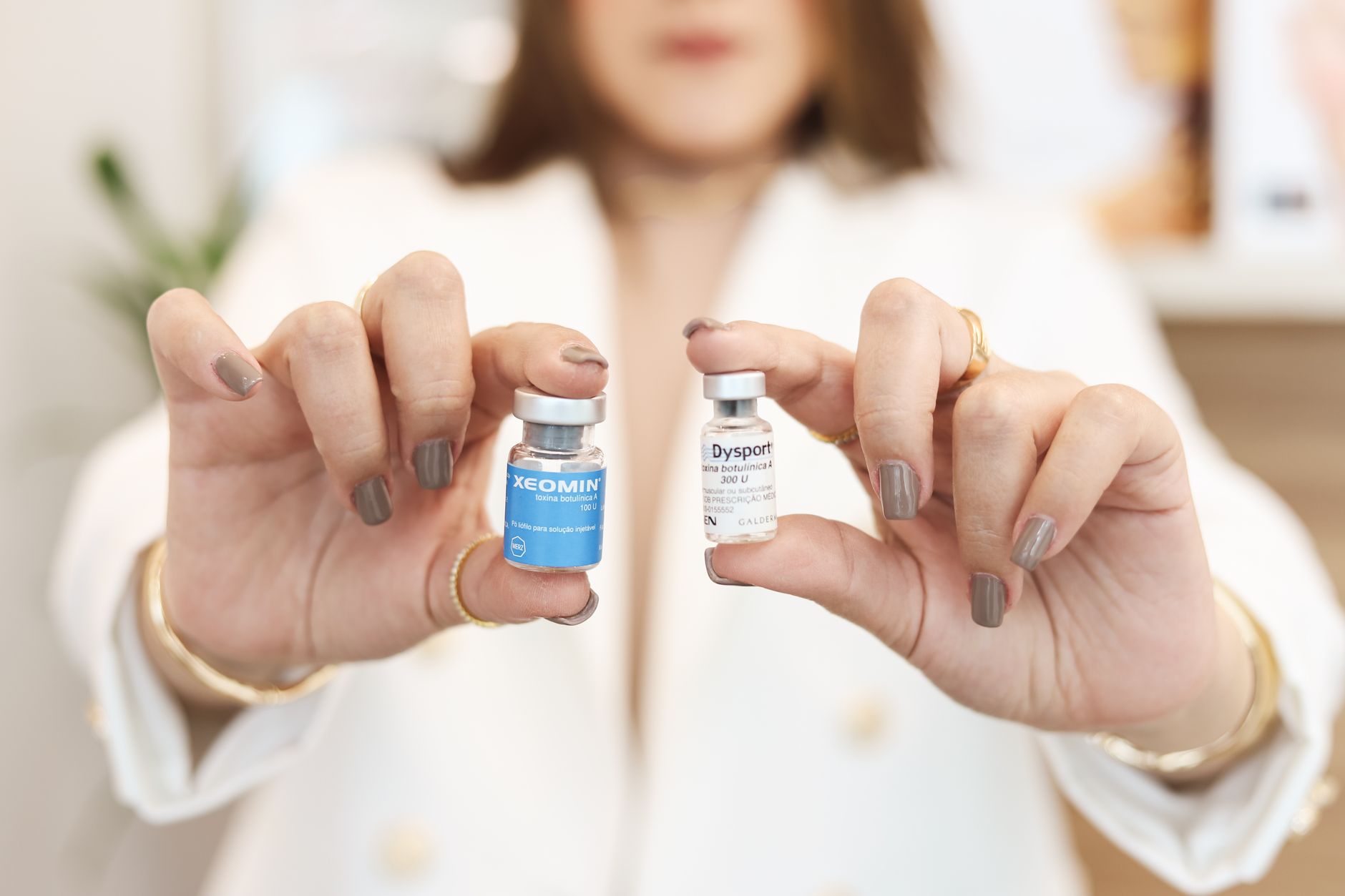
A peptide injection was prepared under medical supervision if a licensed clinician prescribed it for you by name. A licensed pharmacy or clinic then prepared and labeled that vial for you.
Supervised preparation means compounding ordered for one patient and handled under pharmacy rules. A peptide is a short chain of amino acids made as an injectable drug. Check the prescription, the preparer, and the label before you inject.
Table of Contents
- Did a clinician prescribe it for you?
- Does the vial label name you?
- Does research-use language count as supervision?
- How do you stay safer at injection time?
Did a clinician prescribe it for you?
The U.S. Food and Drug Administration lists a valid patient-specific prescription as a required condition for lawful 503A pharmacy compounding, described in FDA compounding rules. You should have a visit or telehealth consult, a diagnosis, and a dose set for you.
No prescription means no supervision, even with a receipt or coaching call. The same FDA rules allow only certain preparers to compound lawfully. They include a licensed pharmacist in a state-licensed pharmacy, a licensed physician, or a registered outsourcing facility. Ask for the pharmacy name, state license, and prescriber contact and confirm them.
Does the vial label name you?
The American Association of Nurse Anesthesiology, summarizing pharmacy standard USP General Chapter 797, says a supervised vial is labeled for one named patient, explained in AANA summary of USP 797. It lists active ingredients and amounts, who prepared it, and how to take it. It also shows pharmacy identity, storage conditions, and a beyond-use date or time.
Compare your vial against this checklist. A missing item is a reason to pause and call the prescriber. A supervised vial is made for one person and states when it expires. Loose vials with no patient name, no directions, and no pharmacy details do not meet that test.
📨 Get Free Peptide Risk Guides Alerts
Free · No spam · Unsubscribe anytime
- your full name as the patient
- active ingredients and amounts
- administration directions and preparer identification
- pharmacy identity, storage conditions, and beyond-use date or time
Does research-use language count as supervision?
A "research use only" or "not for human consumption" label does not make an injection medically supervised. The U.S. Food and Drug Administration treated such marketed peptides as unapproved new drugs when sellers added human dosing advice, described in FDA warning letters on marketed peptides.
The U.S. Food and Drug Administration says compounded drugs are not FDA-approved and lack premarket review for safety, effectiveness, or quality. Poor compounding can cause contamination or wrong strength. Do not accept research language, a disclaimer, or a coach note as a substitute prescription.
How do you stay safer at injection time?
The U.S. Food and Drug Administration reported about 990 adverse events with compounded semaglutide and over 730 with compounded tirzepatide as of May 31, 2026, detailed in FDA concerns about unapproved GLP-1 drugs. Those reports included hospitalizations from dosing errors with unsupervised or unapproved GLP-1 copies. Use those reports as a warning to verify supervision before use.
Medical supervision lowers risk but does not remove it because the finished product still lacks FDA premarket approval. The U.S. Food and Drug Administration advises patients to verify state pharmacy licensure, prescription linkage, and ingredient testing records. The Centers for Disease Control and Prevention safe-injection guidance calls for aseptic preparation in a clean area, one sterile needle and syringe used once for one patient, and disposal of single-dose vial leftovers without sharing vials.
You Might Also Like
- Why Peptide Injection Clients Are Turning to Needle Exchanges
- Rotating Peptide Injection Sites to Avoid Scar Tissue
- Peptide Injection Risks in the First 48 Hours After a Dose