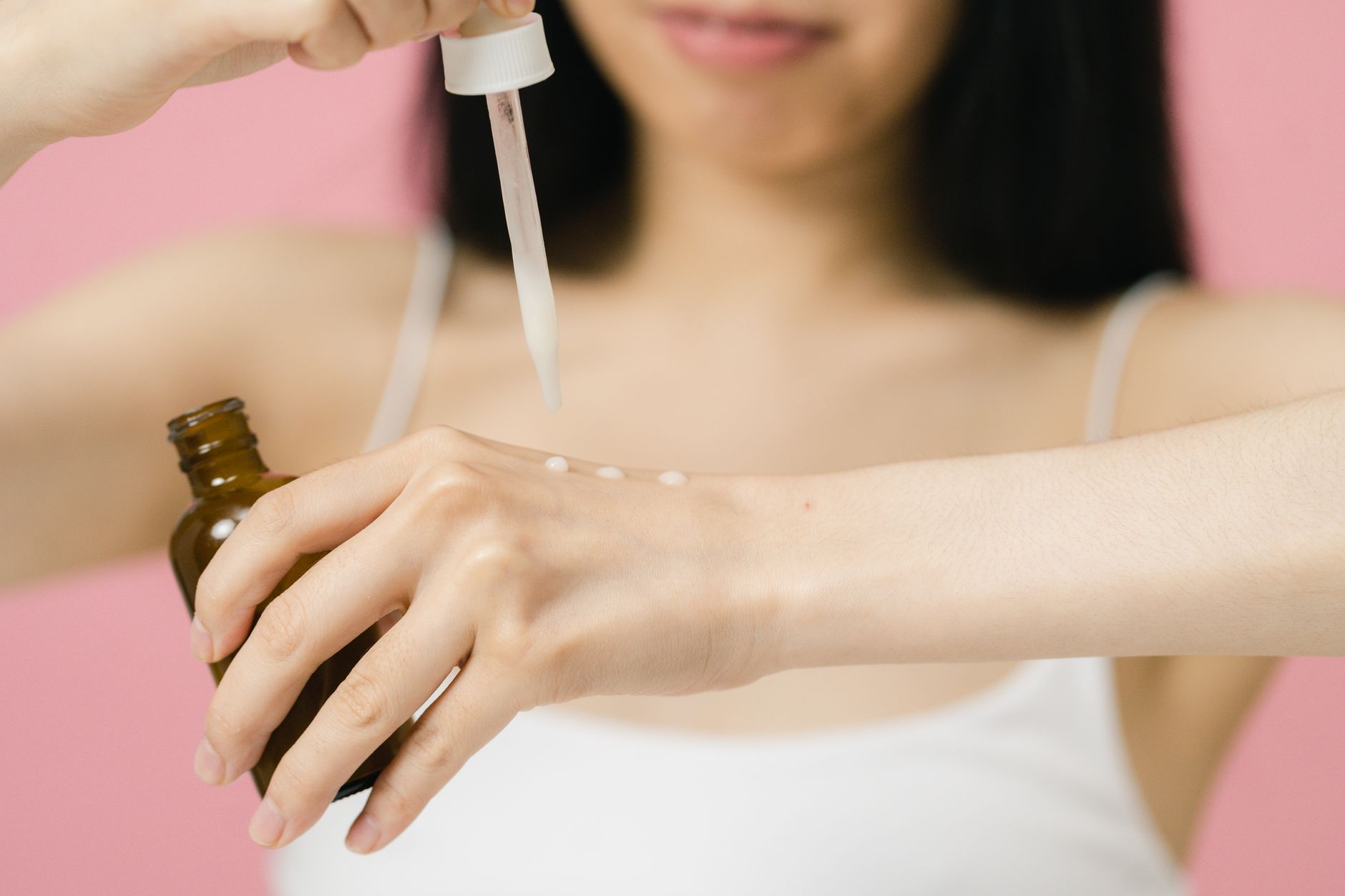
Peptide serums can soften fine lines for some users, but topical evidence remains limited. Gains are modest, slow, and appearance-only, not medical repair.
Cosmetic peptides are short chains of amino acids, the building blocks of proteins like collagen and elastin. Cleveland Clinic groups them as signal, carrier, enzyme-inhibitor and neurotransmitter-inhibitor types in its skin-peptide guide. Shoppers use them to support firmer-looking skin.
Table of Contents
- What is in a peptide serum?
- What did the main wrinkle trial show?
- Why do topical results stay weak?
- What about copper peptides and collagen?
- Are these products approved, safe bets, or worth the price?
What is in a peptide serum?
Signal peptides aim to prompt collagen-related activity. Carrier peptides help deliver helpful ingredients. Enzyme-inhibitor peptides aim to slow breakdown of skin proteins.
Neurotransmitter-inhibitor peptides aim to reduce expression-line movement. Products often combine one or more types with moisturizer, sunscreen, or retinoids. That mix makes it hard to credit peptides alone. Labels rarely show dose, stability, or skin delivery.
What did the main wrinkle trial show?
The landmark palmitoyl pentapeptide-4 trial enrolled 93 women ages 35-55. It used a 12-week split-face design against moisturizer alone. Fine lines improved on the peptide side.
Science Times reports that broader reviews found wrinkle benefit came mostly from oral formulas in its interview with Dr. Philip Werschler. Only two topical peptide trials existed, too few to prove clear topical benefit. One small trial cannot settle long-term use.
Why do topical results stay weak?
Even small peptides enter skin poorly without help. They attract water, while the outer stratum corneum is rich in lipids. Much product stays on or near the surface.
📨 Get Free Peptide Risk Guides Alerts
Free · No spam · Unsubscribe anytime
Delivery methods such as lipid attachment can improve movement into skin. Most store serums do not disclose this engineering. Without it, expect surface hydration rather than deep change.
What about copper peptides and collagen?
GHK-Cu is a copper-bound peptide studied for repair pathways. A 2025 systematic review in Archives of Internal Medicine Research links it to fibroblast collagen activity and remodeling signals. Reviewed lab, animal, and clinical data associate it with better wound closure, collagen deposit, and reduced-scar healing.
That wound-healing signal differs from daily cosmetic use. Collagen itself forms about 30% of body protein and gives skin structure. Cleveland Clinic notes that research is lacking for most collagen supplements, while diet supplies raw ingredients.
Are these products approved, safe bets, or worth the price?
Cosmetic peptides sold for beauty use do not receive FDA approval before sale. The FDA states that any claim to change body structure or function, or to treat disease, makes the product a drug needing FDA review in its cosmetics authority page. Wrinkle-smoothing language stays cosmetic only when it means better appearance.
Dermatologist Wilma Bergfeld calls peptides one added booster among many options. Buyers should weigh slow, modest appearance gains against higher prices. Practical buyers can take these steps:.
- Keep daily sunscreen as the base step.
- Keep a retinoid if skin tolerates it.
- Treat a peptide serum as an optional add-on, not a replacement.
- Stop any product that burns, stings, or causes lasting redness.
You Might Also Like
- Copper Peptides (GHK-Cu) in Skincare: Topical Is Not the Same as Injected
- Collagen Peptides: What the Supplement Evidence Supports
- Peptide Certificates of Analysis: What a COA Can and Cannot Prove