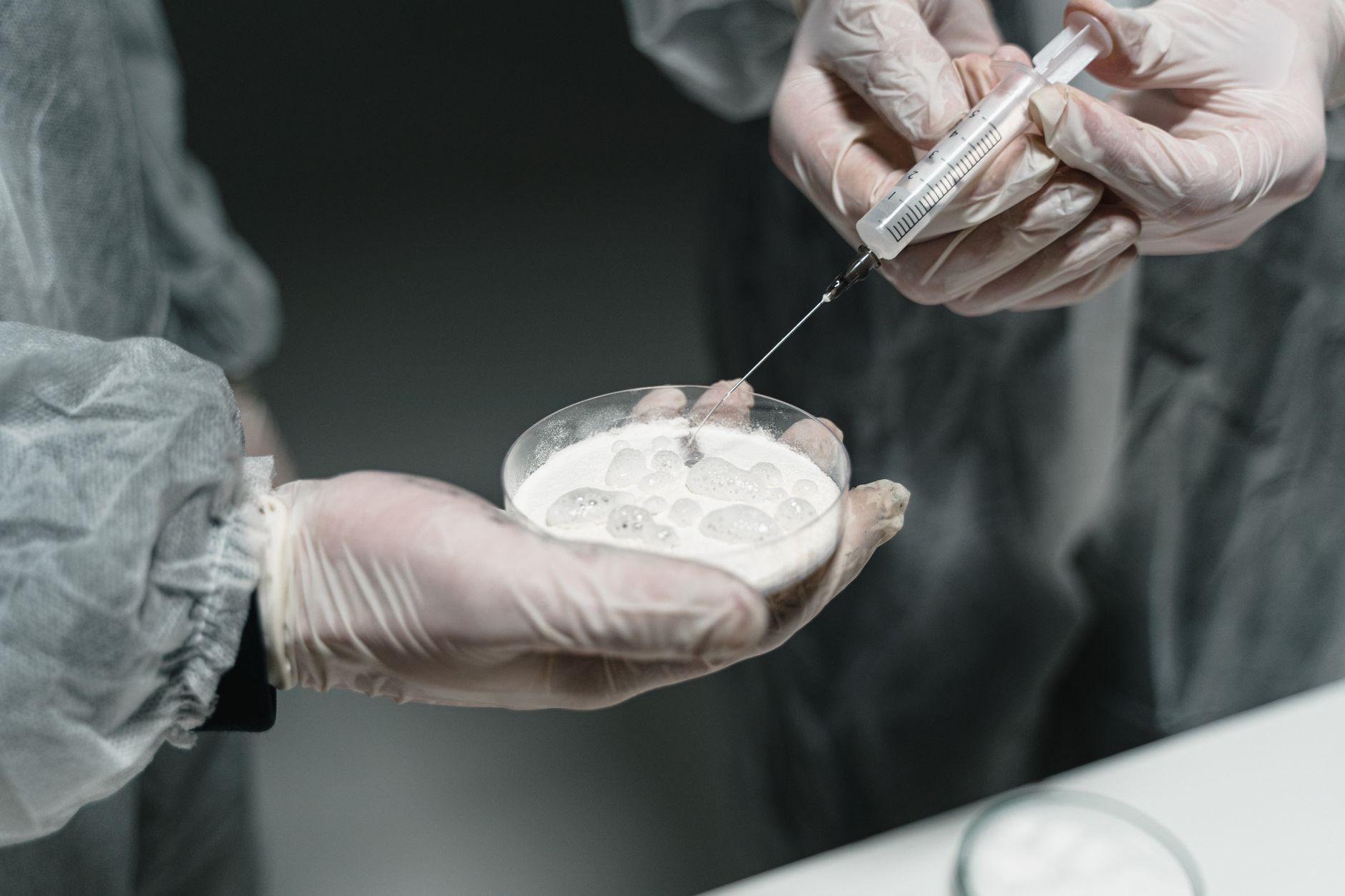
No, HHS enforcement discretion does not make compounded peptides safe. Enforcement discretion is a temporary pause on certain enforcement actions, not a safety approval. The draft interim policy covered six unapproved peptides: BPC-157, TB-500, Epitalon, KPV, MOTS-c and Semax.
According to BioSpace reporting on the HHS notice, the policy was filed Oct. 28 and published Oct. 30, 2026 BioSpace coverage of the HHS notice.
Table of Contents
- What did HHS actually permit?
- Why is a pause not proof of safety?
- What are the concerns with these six peptides?
- What should you check before using one?
What did HHS actually permit?
McDermott Will & Emery analysis describes a narrow pause for state-licensed pharmacies, federal facilities, or licensed physicians compounding those six peptides when all ten listed conditions are met. The protection applies only inside those conditions. A product made outside them gets no shelter from the policy.
The same analysis calls the policy nonbinding and interim. It does not place the peptides on the Section 503A bulk-drug list. Coverage ends for each peptide when final rulemaking addresses it.
Why is a pause not proof of safety?
The FDA Consumer Update states that compounded drugs are not FDA-approved and do not undergo premarket review for safety, effectiveness or quality FDA statement on approval status. An enforcement pause does not fill that review gap. The product still lacks an FDA finding that benefits outweigh risks.
Compounded products carry real risks. FDA Drug Alerts data recorded about 990 adverse-event reports for compounded semaglutide and over 730 for compounded tirzepatide as of May 31, 2026 FDA concerns about unapproved GLP-1 drugs. Those are different drugs, but they show why pharmacy-made products need caution.
📨 Get Free Peptide Risk Guides Alerts
Free · No spam · Unsubscribe anytime
What are the concerns with these six peptides?
A Texas Orthobiologics summary of FDA review says FDA had placed these peptides in Category 2 for bulk substances that may present significant safety risks. For BPC-157, FDA cited immune-reaction and impurity risks plus little human safety data summary of the FDA peptide review. That history matters because impurities can trigger harm even when the dose looks correct.
A Dean Silver MD safety guide citing FDA notes no human exposure data for the TB-500 fragment. The guide also notes the peptides left Category 2 only because nominations were withdrawn April 22, 2026, not because FDA found them safe. Withdrawal ends a review track. It does not create safety evidence.
What should you check before using one?
Ask the prescriber why this peptide fits your condition and what dose, duration, and follow-up apply. Ask how the pharmacy tests identity, purity, and sterility. Bring all current drugs and health conditions to that visit.
McDermott Will & Emery reporting on FDA enforcement notes FDA sent warning letters to five online sellers on Aug. 24, 2026. FDA found research-use-only labels did not prevent products such as GLP-1s, PT-141 and tesamorelin from being unapproved misbranded drugs. Ask the prescriber what monitoring plan covers impurities, immune reactions, and missing human data.
- Use only a valid prescription filled by a state-licensed pharmacy or covered federal facility.
- Avoid online offers labeled for research use only.
- Stop and seek care for rash, swelling, breathing trouble, infection signs, or unexpected effects.
You Might Also Like
- Why Six Experimental Peptides Are Legal Without FDA Safety Approval
- Semaglutide Versus Compounded Peptides: What Changed After the Shortage Ended
- Peptides and Lung Health: What Doctors Want You to Know