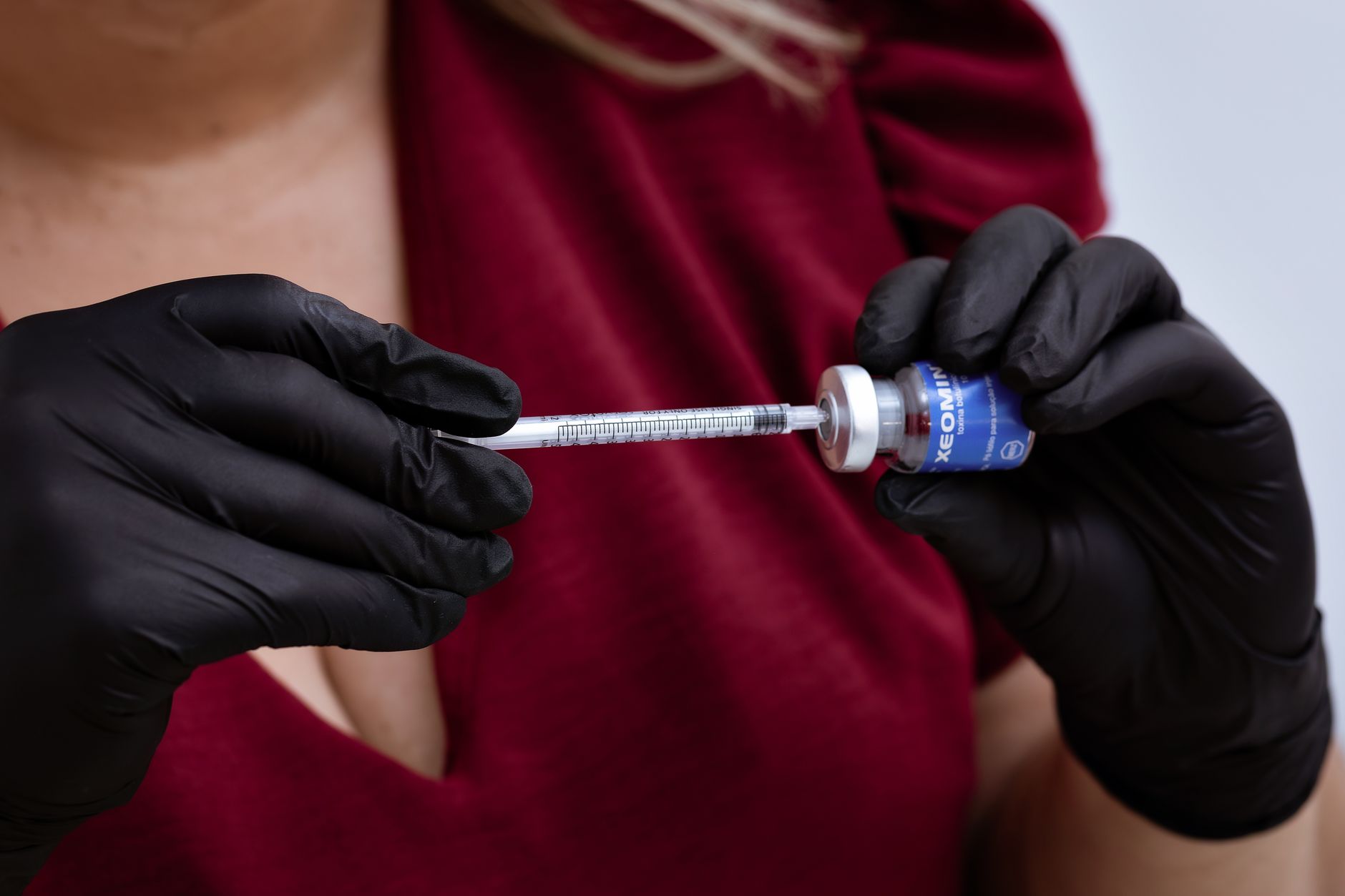
Victorian Coroner David Ryan found Richard Norton's death was triggered by his CJC1295/ipamorelin injection in findings dated 28 October, according to the coronial finding. LADbible reports Norton, 75, an actor and stuntman known for Mad Max work, collapsed after the shot and died on 30 March 2025. He died at Melbourne's Alfred Hospital.
Qazinform News Agency reports the injection caused an anaphylactic reaction, a severe allergy, as described in its report on the coroner's findings. That reaction led to fatal cardiac arrest. In this case, peptide injections means shots of CJC1295 and ipamorelin, the two compounded drugs named in the ruling.
Table of Contents
- How did the injection lead to death?
- Why was he using these peptides?
- What raised the risk in this case?
- Could access rules change?
How did the injection lead to death?
Anaphylaxis is a rapid, whole-body allergic reaction. Blood pressure can fall and airways can narrow within minutes. The heart then lacks oxygen and can stop.
Qazinform News Agency reports Norton's injection set off that type of reaction. That reaction then led to cardiac arrest. The coroner tied that chain to his death on 30 March 2025.
Why was he using these peptides?
Newsy Today reports Norton sought the drugs for fatigue, reduced recovery, shoulder pain and loss of lean muscle. He received the prescription around 19 March 2025. Consent covered the experimental nature and risks.
Those reasons were function and recovery, not emergency care. The consent step flagged the drugs as experimental. A reader weighing similar goals should treat that flag as central to any choice.
📨 Get Free Peptide Risk Guides Alerts
Free · No spam · Unsubscribe anytime
What raised the risk in this case?
CGS News reports Norton told a clinic nurse on 28 March 2025 that he had used double the prescribed dose. Newsy Today calls CJC1295 and ipamorelin unapproved goods outside the Australian Register of Therapeutic Goods, as noted in its report on the approval status. The same account says regulators had not evaluated them for safety, quality or effectiveness.
Medical Daily reports the coroner also named asthma and hypertrophic cardiomyopathy, thickening of heart muscle, as contributing factors. That means the case does not show the peptides alone cause death in healthy users. Dose, allergy risk, asthma and heart disease all shaped the outcome.
Could access rules change?
CGS News reports coroner Ryan recommended the Therapeutic Goods Administration review benefits and safety risks, as outlined in its report on the coroner's recommendation. He suggested moving the peptides from Schedule 4 prescription-only use to Schedule 10 clinical-trial or experimental-only use.
That shift would limit routine prescribing. A reader considering these drugs can use this case as a safety checklist. Bring the full dose history and all heart and lung diagnoses to the prescriber.
- Use only the prescribed dose and confirm how to measure it.
- Ask whether the product is approved or compounded experimental stock.
- Disclose asthma and any heart-muscle disease before any shot.
- Ask what allergy warning signs require emergency care and what follow-up applies.
You Might Also Like
- Peptide Injections and Coroner Findings: What the Norton Case Shows
- Why Peptide Injection Clients Are Turning to Needle Exchanges
- Rotating Peptide Injection Sites to Avoid Scar Tissue