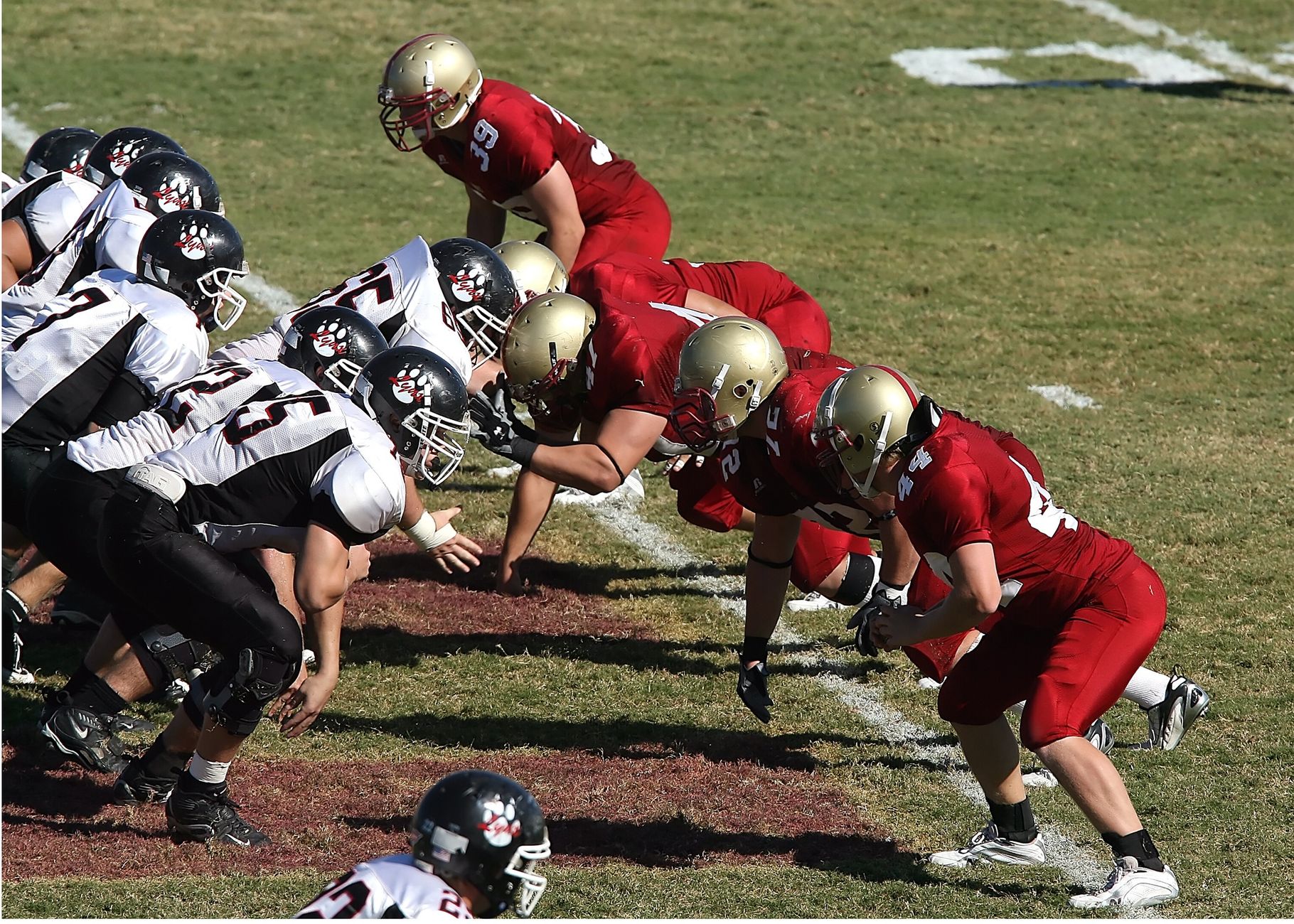
No, most college athletes should not use GLP-1 weight-loss drugs to cut weight or boost performance. Use fits only with a clear medical need and a supervised plan for food, dose, and training. GLP-1s are prescription drugs that reduce appetite and food intake.
The U.S. FDA approves Wegovy (semaglutide) and Zepbound (tirzepatide) for chronic weight management in adults. The approval covers obesity or overweight plus a weight-related condition, with diet and activity, as detailed in the FDA Zepbound label.
Table of Contents
- Are they allowed in college sports?
- Why does lighter often mean weaker?
- How do side effects hurt training?
- When could a prescription fit?
- What should athletes ask before deciding?
Are they allowed in college sports?
Do not assume they are safe for eligibility because they need a prescription. The NCAA does not name GLP-1s in its banned-drug classes. It also warns that no list is complete and bans related substances, so athletes must check with team medical staff, according to the NCAA banned-substances page.
That check matters because weight-class and aesthetic sports create pressure to use them quietly. A private prescription does not guarantee eligibility. Bring the exact drug name, dose, and medical record to compliance staff before starting.
Why does lighter often mean weaker?
Weight loss on these drugs includes substantial muscle loss. A 2026 review in the International Journal of Molecular Sciences estimates 20-30% of total lost weight comes from lean mass, as reported in the MDPI review PDF.
That loss threatens strength, power, sprint speed, and recovery. It also shrinks glycogen storage, which muscles use for hard efforts. Pharmacy Times notes that no peer-reviewed trials test these drugs for performance in trained athletes, so dosing advice comes from obesity care, not sport.
📨 Get Free Peptide Risk Guides Alerts
Free · No spam · Unsubscribe anytime
How do side effects hurt training?
Gut problems are common and disrupt fueling. Wegovy's FDA label reports gut disorders in 73% of treated patients, versus 47% on placebo. Nausea affected 44%, diarrhea 30%, and vomiting about 24-25%, per the Wegovy label via NDC List.
Missed meals and fluids quickly impair practice quality. Athletes may enter sessions under-fueled, dehydrated, or low in protein. Repeated vomiting or diarrhea also removes electrolytes and reduces training availability during the season.
When could a prescription fit?
The medical case starts with obesity or overweight plus a related condition, not a target playing weight. USADA guidance, through TrueSport, says it is rare for a young athlete to need a GLP-1 solely for weight loss or performance. Any qualifying athlete should align dose, meals, and workouts with a physician, dietitian, and coach.
Off-season timing does not remove the trade-off. A lineman managing a metabolic condition still needs protein targets and resistance training. A runner chasing race weight without that diagnosis faces muscle and fuel risks without a clear health gain.
What should athletes ask before deciding?
Start with eligibility and health screening, not the pharmacy. Ask whether the indication is medical, how weight, strength, and speed will be tracked, and who adjusts food and training if appetite drops. Bring the prescription label, dosing schedule, and symptom log to each follow-up visit.
- Confirm the exact product with team medical staff and compliance.
- Review full health history, eating history, and other medicines.
- Set protein, fluid, strength-training, and missed-practice rules.
- Plan dose timing around travel, hard sessions, and competition.
- Define stop signs for nausea, vomiting, rapid loss, or strength decline.
You Might Also Like
- GLP-1 Weight Loss Drugs and Grocery Shopping Habits After Treatment
- GLP-1 Fall Risk After 65: What Doctors Watch For
- GLP-1 Drugs and Muscle Loss: What the Evidence Shows